Is Healthy Food Really More Expensive? Only If You Buy It Pre-Made
Healthy ingredients are not the expensive part. The packaging and prep are. Five swaps with real prices, and roughly $2,700 a year on the table.
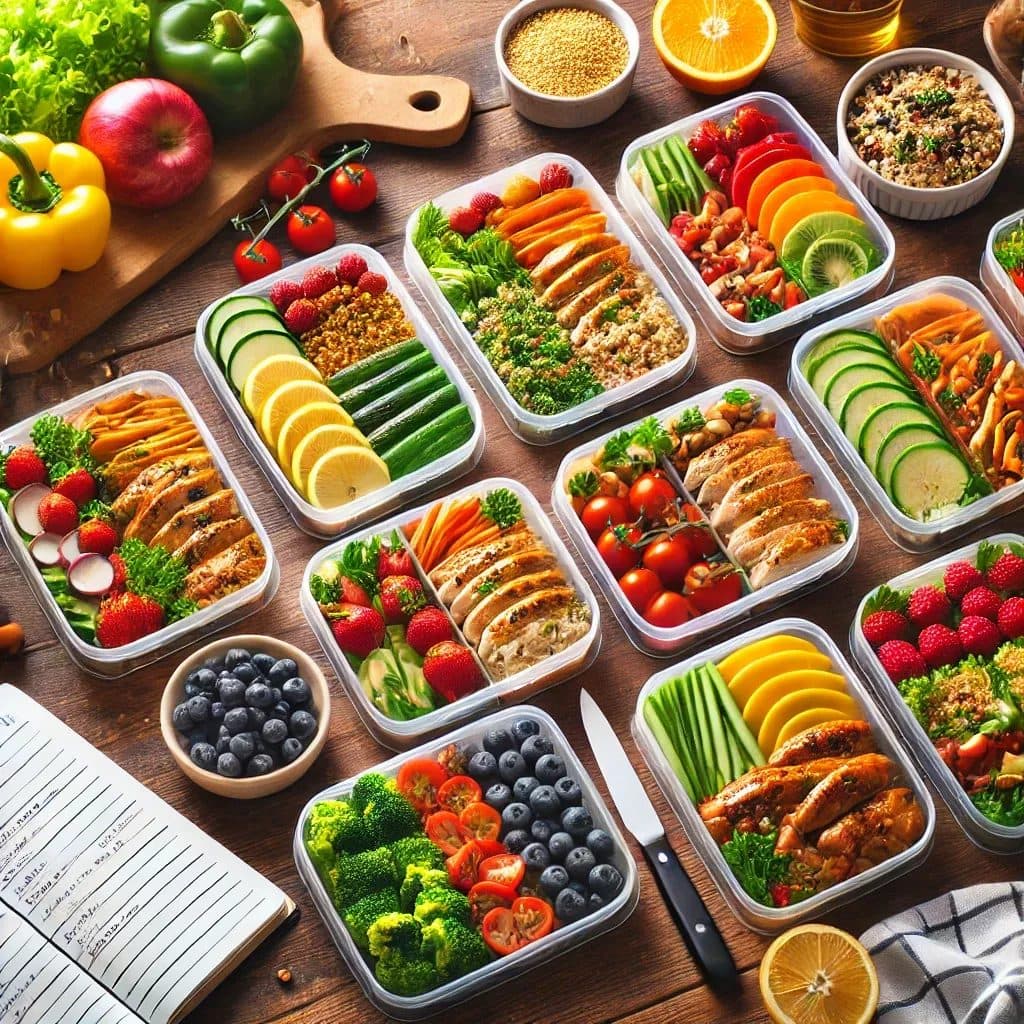
No, healthy food only becomes expensive once someone else has washed, portioned, and packed it into a cup with a minimalist font. Oats, eggs, beans, frozen vegetables, and rice are some of the least costly calories in the entire store, and they are also the boring backbone of every eating pattern nutrition science actually likes.
The confusion comes from measuring "healthy" at the wrong shelf. If your reference points are $4 kombucha and $7 frozen quinoa bowls, then yes, clean eating looks like a luxury hobby. So let's price the same food twice.
Why does clean eating seem so expensive?
Because the versions marketed to you hardest carry three markups the ingredients never asked for. First, packaging: single-serve anything roughly doubles the per-serving price. Second, prep: washing, portioning, and assembly are labor, and you pay restaurant-style margins on it. Third, the health halo: brands know you will pay more for a product that flatters your goals, so pricing tracks your aspiration instead of the bill of materials.
Here is the sentence to keep: the "healthy" label costs about 2 to 3 dollars a serving, and the ingredients inside it cost about 90 cents.
That gap is the whole story: packaging and prep sold at aspiration prices, with farmers markets and organic conspiracies playing no part in it. For scale, USDA's Thrifty Food Plan, the government's benchmark for a nutritious diet on a tight budget, prices a single adult's groceries at roughly $300 a month (usda.gov).
What does the swap math actually look like?
Five products I see in real carts every week, priced both ways. Store prices are typical US grocery numbers as of mid-2026; homemade numbers include every ingredient, and the frequencies are honest habits rather than best-case ones.
| The swap | Store, per serving | Homemade, per serving | Habit | Saved per year |
|---|---|---|---|---|
| Protein bites, pouch vs 10-minute batch | $2.50 | about $0.70 | 3 a week | about $280 |
| Overnight-oats cup vs rolled oats + jar | $3.50 | about $0.75 | 4 a week | about $570 |
| Bottled cold brew vs home-brewed pitcher | $4.50 | about $0.60 | 5 a week | about $1,010 |
| Trail mix single packs vs bulk-bin mix | $2.00 | about $0.90 | 3 a week | about $170 |
| "Clean" frozen bowl vs batch-cooked bowls | $6.50 | about $2.25 | 3 a week | about $660 |
Run all five and you are near $2,700 a year, from swaps that cost you maybe 45 minutes a week. Even adopting just the oats and the cold brew clears $1,500, and the cold brew one alone is a better return than most savings accounts.
None of these swaps ask you to eat differently. Same oats, same coffee, same trail mix. The food is identical. The only thing you removed was the packaging and the font.
What healthy foods cost the least per serving?
The boring champions, and the numbers make the case better than any adjective could. Rolled oats run about 15 cents a serving from the big canister. Eggs are around 35 cents each even after the price swings of the last few years. Dried lentils land near 20 cents a cooked cup, brown rice around 15 cents, frozen vegetables 40 to 60 cents a serving, bananas about 25 cents, and peanut butter roughly 20 cents per two-tablespoon serving.
Stack those into actual meals and the totals get almost funny. Oatmeal with banana and peanut butter: about 60 cents. A lentil and rice bowl with frozen spinach and a fried egg: about $1.10. That is a day of genuinely solid eating for the price of one bottled smoothie.
Notice what all these foods have in common: no packaging story, no health claims on the front, no font budget. The marketing money in the grocery store flows toward margins, and margins live in processing. The most nutritious aisle-for-aisle values in the building sit in bags and cartons that have looked the same since 1985, which is exactly why nobody advertises them to you. The college-budget meal playbook is built almost entirely on these eight ingredients, and it holds up fine well past graduation.
When is the packaged version actually worth it?
Sometimes, genuinely. The premium buys convenience, and convenience you actually use is not waste.
Pre-washed greens are my favorite example. If the triple-washed box is the difference between eating salad and letting a whole lettuce liquefy in your crisper drawer, the extra $1.50 is the best money in the store. Eaten mediocre beats wasted perfect.
Same logic for the gym-bag protein bar when the alternative is a vending machine, or the frozen bowl on the night the alternative is $22 of delivery. That fallback keeps getting pricier too, since restaurant prices have been rising faster than grocery prices for years in BLS food-away-from-home vs food-at-home data. The math I care about is against your realistic fallback, and I ran that fallback in detail in eating out vs cooking at home.
The premium stops being worth it when it is your default. Convenience as a rescue is a tool. Convenience as a subscription is a $2,700 line item.
How do I actually find my own $2,700?
Skip the generic lists, because your cart is not my cart. The five swaps above are averages; your real number lives in whatever you personally buy on repeat. This per-product math is exactly what ApronUp, an iOS app that scans any packaged food, computes for you: the homemade copycat recipe, the cost per serving both ways, and the savings per month and per year at your actual frequency, plus a clean score showing the additives the homemade version skips. My overnight-oats scan came back with a savings line of about $47 a month, which is the kind of number that reorganizes a grocery list all by itself. The protein bites were nearly as dramatic, and the full homemade protein bar math shows why.
The budget clean-eating system
Four moves, in order of payoff:
- Audit your repeats. Find the 3 to 5 packaged "healthy" things you buy weekly. Repeat purchases are where annual money hides.
- Swap the top two. Just two. Oats and cold brew alone are worth about $1,500 a year at the frequencies above.
- Keep one premium on purpose. Pick the convenience item that genuinely makes you eat better and pay for it guilt-free.
- Batch one thing on Sunday. One pot of anything (chili, curry, grain bowls) replaces the frozen-bowl habit at a third of the price.
Healthy eating on a budget is a labeling problem more than a discipline problem, and you now know how to read the price tag the same way you read the ingredients.
Quick answers
- Why does packaged health food cost more?
- You are paying for three things stacked on top of the ingredients: single-serve packaging, the prep labor, and the health halo itself, which lets brands price against your goals instead of their costs. The ingredients in a $3.50 overnight-oats cup are worth about 75 cents.
- What healthy foods cost the least per serving?
- Rolled oats, eggs, dried beans and lentils, rice, frozen vegetables, bananas, peanut butter, and whole chickens are the reliable champions, most landing between 15 and 60 cents a serving. A remarkable amount of clean eating is just these eight items in different outfits.
- Does buying organic matter for saving money?
- Organic typically adds 20 to 50 percent to the price, and if the premium means you buy less produce overall, it is working against you. If you want a middle path, buy organic only for the produce you eat unpeeled and daily, and let the rest go conventional. Nutritionally, conventional produce beats no produce every time.