Homemade Protein Bars: 4 Ingredients, 10 Minutes, About 60 Cents a Bar
A 4-ingredient no-bake protein bar recipe with about 20g protein for roughly 60 cents a bar, plus itemized cost math, macros, and 3 flavor mods.
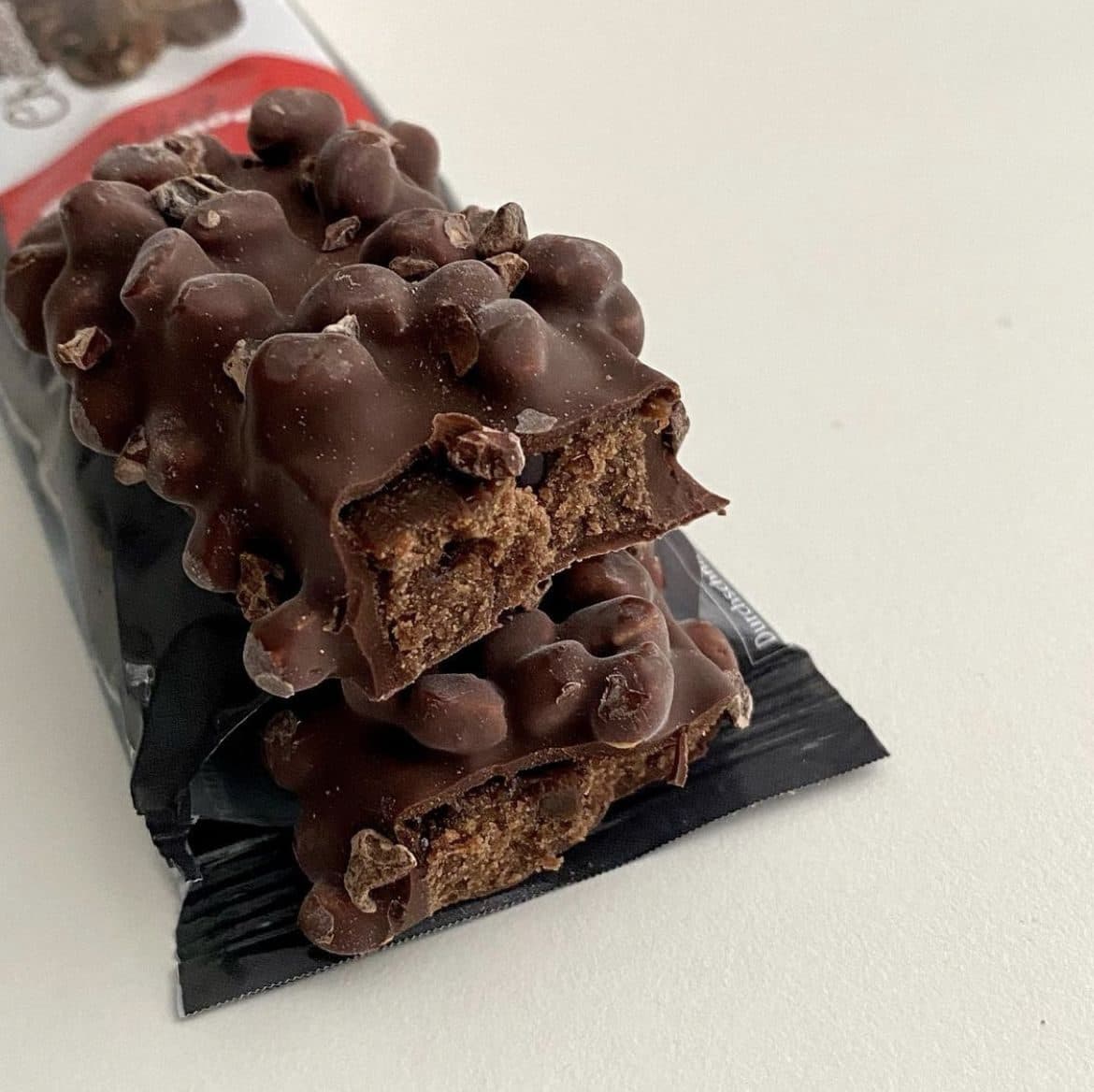
A homemade protein bar costs about 60 cents, takes 4 ingredients and 10 minutes with zero baking, and lands around 20g of protein. The store bar you're probably eating costs $2.50 to $3. That's the whole pitch, and the rest of this post is the recipe, the itemized math, and the mistakes to skip.
What's the 4-ingredient base recipe?
Makes 10 bars. No oven, one bowl.
- 2 cups rolled oats (or 1.5 cups almond flour for a softer, lower-carb bar)
- 5 scoops whey protein powder (about 150g)
- 1 cup natural peanut butter
- 1/2 cup honey (or 10 to 12 soft pitted dates, blended)
Method: warm the peanut butter and honey 30 seconds so they stir like lava, mix everything in one bowl until it looks like cookie dough, press firmly into a parchment-lined 8x8 pan, chill 1 hour, cut into 10 bars. Done. If the mix fights you, a splash of milk fixes it (more on that below).
How much do homemade protein bars actually cost?
The itemized math with regular grocery prices, no coupon heroics:
| Ingredient | Amount | Cost |
|---|---|---|
| Rolled oats | 2 cups | ~$0.40 |
| Whey protein | 5 scoops | ~$3.00 |
| Natural peanut butter | 1 cup | ~$1.40 |
| Honey | 1/2 cup | ~$1.00 |
| Total for 10 bars | ~$5.80 |
That's about 58 cents a bar. The protein powder is over half the cost, so your bar price tracks your powder price: a premium isolate pushes bars toward 75 cents, a warehouse-store whey pulls them under 50 cents.
Two easy ways to shave the number further. Buy powder by the 5-pound bag instead of the 2-pound (typically 15 to 25 percent less per scoop), and buy peanut butter in the big jar, since the small jars cost about 40 percent more per cup. Do both and the bar lands around 48 cents without changing a thing about the recipe. The ingredient side of this math also holds up over time, since grocery prices have been climbing more slowly than restaurant and prepared-food prices in BLS food-at-home vs food-away-from-home data.
And the macros per bar, using standard whey and conventional peanut butter:
| Per bar | Amount |
|---|---|
| Calories | ~320 |
| Protein | ~20g |
| Carbs | ~33g |
| Fat | ~13g |
For scale, 20g is 40 percent of the FDA's 50 gram Daily Value for protein (fda.gov). Note these are bigger, denser bars than a 60g Quest. If you want a lighter snack bar, cut the pan into 14 pieces instead and each piece is about 230 calories with 14g protein.
How do homemade bars compare with store bars?
Fair fight, no trash talk. Store bars are genuinely convenient and some have excellent macros. The comparison on cost and ingredient count:
| Bar | Typical price | Ingredients | Protein |
|---|---|---|---|
| Homemade (this recipe) | ~$0.58 | 4 | ~20g |
| Quest | ~$2.50 to $3.00 | ~10 | 20g |
| RXBar | ~$2.50 | 3 to 9 | 12g |
| Pure Protein (bulk pack) | ~$1.30 | ~20 | 20g |
At one bar a day, the homemade version saves roughly $600 a year against Quest prices and about $250 even against the bulk pack. Whether the store versions are good for you is a separate question, and we took that one on here. Short version: the category ranges from candy in a gym outfit to genuinely solid, and the label tells you which if you know where to look.
What are the three best flavor mods?
Each mod goes into the same base. Cost bump per batch in parentheses.
Chocolate sea salt. Add 1/4 cup cocoa powder to the dry mix, press, then top with melted dark chocolate and flaky salt (~$1.20). The fancy-looking one.
Peanut butter cup. Swap honey for blended dates, add 1/3 cup mini chocolate chips, press an extra thin layer of peanut butter on top before chilling (~$1.00).
Cookie dough. Use vanilla protein, add 1/3 cup mini chips and a teaspoon of vanilla extract, and a pinch more salt than feels reasonable (~$0.90). Tastes suspiciously like the real thing.
How do I set up a freezer batch?
The workflow that turns 15 minutes into a month of bars:
- Double the recipe (20 bars, one big bowl, same 15 minutes).
- Cut, then wrap or layer with parchment in a freezer container.
- Freeze. They keep about 2 months.
- Grab one on the way out. It thaws in about 20 minutes, or eat it half-frozen after a summer workout, which I'd argue is the superior format.
Twenty bars for about $11.60 is a month of daily bars for less than the price of four Quest bars.
One workflow tip from painful experience: label the container with the date. Frozen bars all look identical, and "mystery bar of unknown age" is a worse snack experience than it needs to be. A strip of masking tape and a marker solves it.
Why did my bars come out wrong?
The three standard failures, all fixable:
- Too dry or won't hold together: add milk 1 tablespoon at a time until the dough packs like wet sand. This is the number one issue and it's almost always the protein powder's fault.
- Too crumbly after chilling: you're short on binder. Add 2 more tablespoons of peanut butter or honey next batch, and press harder into the pan than feels polite.
- Powder matters: whey absorbs less liquid, plant protein drinks it like it's stranded in a desert. If you use pea or plant blends, expect to add 3 to 4 tablespoons of milk, and start with 4 scoops instead of 5.
What if you want a copycat of your exact bar?
This recipe is a great generic bar. But most bar people are loyal to one specific bar, with a specific texture and flavor they'd rather clone than replace. That's the actual reason we built ApronUp, an iOS app that scans your favorite bar and generates the matched copycat recipe, the per-bar savings vs what you pay now, and a clean score showing exactly which of its additives you're skipping. You can remix from there too (more protein, fewer ingredients) if your goals shift.
The one-batch challenge
Make one batch this week and run your own numbers:
- Make the base recipe (10 minutes, one bowl).
- Note what you spent, divide by 10.
- Compare to your current bar's price.
- Multiply the gap by how many bars you eat a month.
For most people that last number lands between $40 and $70 a month, which is a gym membership funded by not paying $2.50 for oats and whey in a wrapper.
Quick answers
- How long do homemade protein bars last?
- About a week in the fridge in a sealed container, and up to 2 months in the freezer with parchment between layers. Frozen bars thaw in about 20 minutes at room temperature, or ride along to the gym and thaw on the way.
- How do I get 20g of protein per bar?
- Do the math on your specific powder. The base recipe uses 5 scoops of whey (about 120g protein) plus 1 cup of peanut butter (about 64g) and 2 cups of oats (about 20g), which lands around 20g per bar across 10 bars. If your powder has less protein per scoop, add a scoop and a splash of milk.
- Are homemade bars really less expensive than buying in bulk?
- Yes, even against warehouse-store multipacks. Bulk store bars bottom out around $1.25 to $1.50 each, while the homemade version runs about 58 cents with mid-range ingredients. At one bar a day, that gap is roughly $250 to $330 a year.