14 Cheap Meals for College Students That Beat the Dining Hall and the Drive-Thru
14 cheap college meals under $2.50 a serving, sorted by equipment: microwave-only, one pan, or real kitchen. Honest per-serving math included.
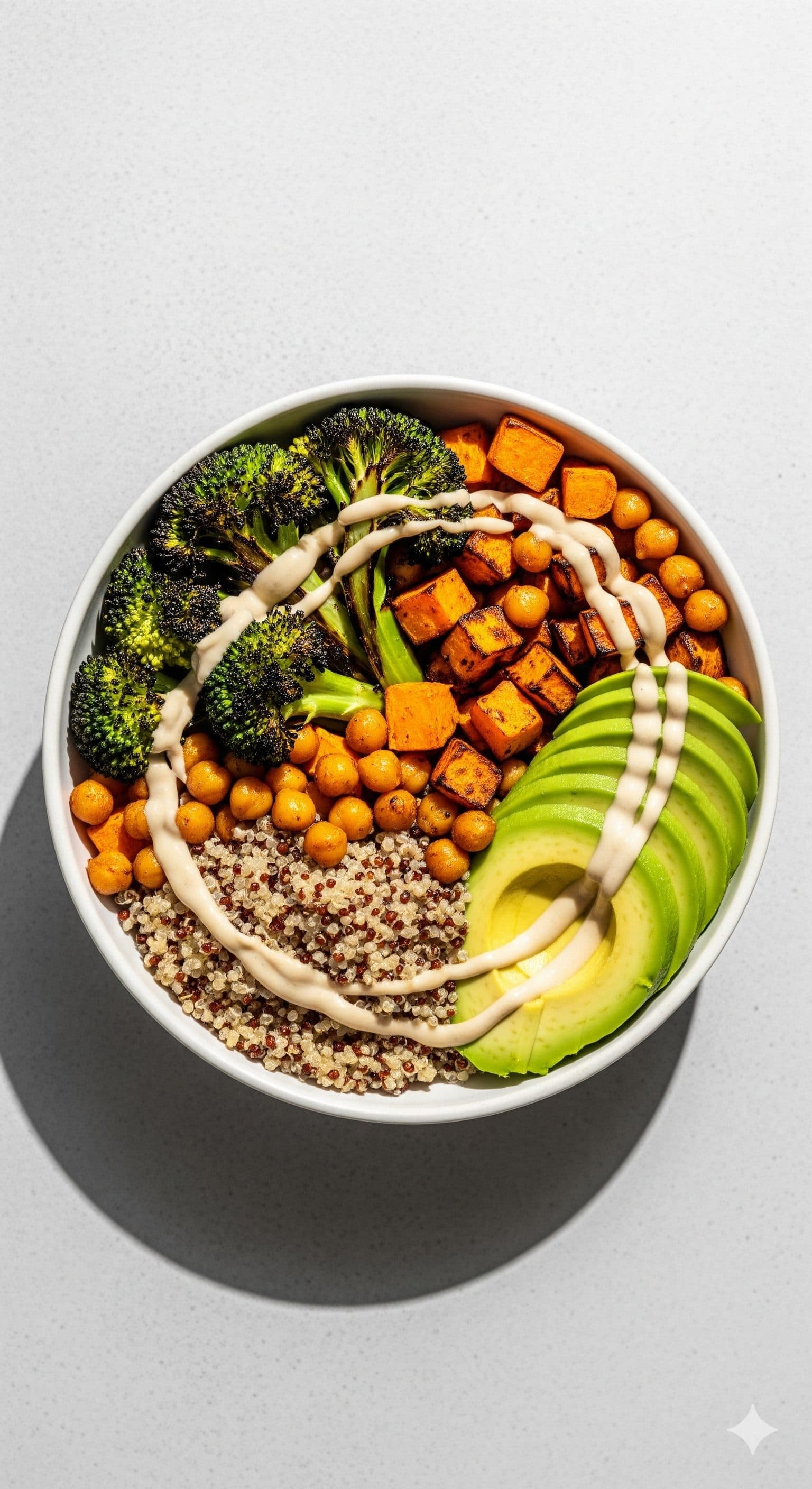
Cheap college meals are absolutely a real thing: every meal in this list costs under $2.50 a serving, takes 15 minutes or less, and needs at most one pan. The list is sorted by equipment, so there's a full tier for people whose entire kitchen is a microwave and a dream.
First, the number that made me write this. A $6 campus purchase every weekday (a bowl, a wrap, a burrito, whatever) is about $1,100 a school year. That's $6 times roughly 180 school days, or $1,080, and most people I knew in college were doing it twice a day. For calibration, USDA's Thrifty Food Plan prices a full month of groceries for a young adult at roughly $300 (usda.gov), which is about what a twice-a-day campus habit burns in under a month.
What can I cook with just a microwave?
Five meals, zero appliances beyond the microwave, all under $2 a serving.
1. Loaded ramen. Ramen pack ($0.40) + 1 egg ($0.25) + spoonful of peanut butter ($0.10) + sriracha and green onion ($0.20). Cook the noodles, stir the peanut butter into the broth, crack the egg in for the last 60 seconds. About $0.95, tastes like a $14 ramen bar bowl squinting.
2. Microwave burrito bowl. Instant rice cup ($0.90) + half a can of black beans ($0.50) + salsa ($0.20) + shredded cheese ($0.25). Heat, stack, demolish. About $1.85.
3. Loaded baked potato. One russet ($0.60), stabbed with a fork, microwaved 8 minutes, split and loaded with cheese, salsa, or leftover chili ($0.70). About $1.30 and genuinely filling.
4. PB banana oatmeal. Quick oats ($0.25) + banana ($0.25) + peanut butter ($0.15) + cinnamon. Ninety seconds. About $0.65, versus $4 for the campus cafe version.
5. Microwave quesadilla. Tortilla ($0.25) + cheese ($0.35) + canned beans ($0.40) + salsa ($0.20). 60 seconds, fold, done. About $1.20.
What can I make with one pan and a hot plate?
Five meals for the single-burner lifestyle, all 15 minutes or less.
6. Egg fried rice. Day-old rice ($0.30) + 2 eggs ($0.50) + frozen peas and carrots ($0.35) + soy sauce ($0.05). Hot pan, eggs first, rice second, sauce last. About $1.20 and better than takeout that costs $12.
7. Garlic butter pasta. Half a box of spaghetti ($0.55) + butter ($0.30) + garlic ($0.10) + parmesan ($0.35) + frozen peas ($0.20). Boil, toss, eat. About $1.50 for two servings' worth, so $0.75 each.
8. Black bean quesadillas, pan edition. Same build as the microwave one but crisped in a pan with a little oil. About $1.25 and the crunch upgrade is free.
9. Smash tacos. A quarter pound of ground beef ($1.30) smashed thin onto two small tortillas ($0.50) in a hot pan, flipped, topped with cheese ($0.30) and hot sauce. About $2.10 for two tacos.
10. Stir-fry noodles. Ramen noodles minus the packet ($0.40) + frozen stir-fry veg ($0.60) + 1 egg ($0.25) + soy sauce and sriracha ($0.15). About $1.40.
What can I cook with a real kitchen?
Four meals for apartment-dwellers with an actual oven, still under $2.50 a serving.
11. Sheet-pan gnocchi. Shelf-stable gnocchi ($1.90 a bag) + a bell pepper ($0.80) + half an onion ($0.30) + sausage ($1.80), everything roasted on one tray at 425 F for 15 minutes. Makes 2 servings, about $2.40 each. Zero boiling, zero skill.
12. Crispy chicken thighs and rice. Two thighs ($1.60) seasoned and baked at 425 F while rice cooks ($0.30), plus whatever frozen vegetable is on sale ($0.40). About $2.30.
13. Weeknight chili. Ground beef ($2.60) + canned beans ($0.90) + canned tomatoes ($0.90) + chili powder, simmered 15 minutes. Makes 4 servings at about $1.60 each, and it's 4 future meals for the microwave tier.
14. Baked pasta. Pasta ($0.55) + jar sauce ($1.30) + mozzarella ($1.10), assembled in one dish, baked 15 minutes. Two big servings, about $2.00 each.
If you're worried eating this way means eating worse, it mostly doesn't, and we ran the numbers on whether healthy food actually costs more.
What makes cheap food taste good?
One purchase separates this list from the sad-rice-and-beans lists: a $6 flavor kit. Soy sauce ($1.50), sriracha ($2.50), garlic powder ($1.30), and a lime or two ($0.70). Those four touch almost every meal above, they last a semester, and they add about 5 cents per serving.
If your budget stretches another $4, add chili crisp. It turns the $1.20 fried rice into something you would pay $13 for near campus, and I'm only slightly exaggerating.
The other free upgrade is the egg. At about 25 cents each, an egg turns ramen into dinner, rice into fried rice, and instant noodles into something with 6 extra grams of protein. Buy the 18-pack.
What is the campus snack tax?
Here's where the real leak is. Meals get budgeted. Snacks get swiped without a thought, and the campus store marks them up harder than anything in the dining hall.
| Campus store item | Typical price | 5-minute homemade version | Homemade cost |
|---|---|---|---|
| Protein bar | ~$3.50 | No-bake oat + protein powder bar | ~$0.60 |
| Fruit smoothie | ~$6.00 | Frozen fruit + juice, blended | ~$1.10 |
| Trail mix bag | ~$2.75 | Bulk-bin nuts and raisins, self-mixed | ~$0.90 |
| Iced latte | ~$5.50 | Instant espresso + milk over ice | ~$0.70 |
| Muffin | ~$3.25 | Mug muffin (flour, banana, sugar) | ~$0.45 |
A student grabbing one $3.50 bar and one $5.50 latte per weekday is spending about $1,600 a school year on two snacks. The homemade versions of the same two run about $230. The gap keeps growing, too: prepared and away-from-home food prices have been rising faster than grocery prices for years in BLS data. (Bars alone deserve their own math, and we did it here.)
The trick is knowing which of your habits are worth replacing, because the answer is honestly not all of them. Some things save you $4 a pop for 5 minutes of effort, and some save you 30 cents for an hour. This is exactly what ApronUp sorts out: it's an iOS app that scans whatever keeps draining your card and shows the homemade copycat, the per-serving savings, and what that habit costs you per month, so you can pick your battles with actual numbers.
The system that makes this stick
Defaults beat discipline every time. Set these four and coast:
- Batch one thing on Sunday (chili or fried rice base). That's your no-decision meal for the week.
- Keep the $1 shelf stocked: ramen, eggs, tortillas, canned beans, instant rice. Every meal above is some combination of these.
- Put a number on your worst habit. Whatever you buy on autopilot, learn its yearly cost. The number does the discipline for you.
- Keep one paid treat a week, on purpose, guilt-free. Budgets that allow zero fun last about nine days.
The dining hall and the drive-thru will survive without you. Your bank account might not survive with them.
Quick answers
- How much should a college student budget for food monthly?
- If you're cooking most meals, $200 to $300 a month covers groceries comfortably in most college towns. Add $50 to $75 for eating out and you're at $250 to $375 total. Students who default to campus food and delivery routinely spend double that without noticing.
- What can I cook with just a microwave?
- More than you'd think: upgraded ramen with an egg, burrito bowls with instant rice and canned beans, loaded baked potatoes, quesadillas, and oatmeal that doesn't taste like punishment. All five microwave meals in this post cost under $2 a serving and take under 10 minutes.
- Is meal prep worth it in a dorm?
- Yes, in a scaled-down form. Skip the 10-container Sunday prep and just batch one thing: a pot of chili, a bag of frozen burritos, or a week of overnight oats. Even one batched item replaces 4 to 5 purchases a week, which is $15 to $25 back in your pocket.