Eating Out vs Cooking at Home: The Real Math for 2026
Six popular orders priced against their homemade versions with 2026 numbers. A 3x-a-week $14 lunch habit runs about $2,100 a year; homemade is near $700.
The short version: the restaurant meal costs 3 to 4 times the homemade version, and that ratio has been widening, since restaurant prices have been climbing faster than grocery prices for most of the last several years (the Bureau of Labor Statistics tracks this as food away from home vs food at home). Yes, this holds even after you price in your time.
Here is the headline number: a 3-times-a-week $14 lunch habit runs about $2,100 a year, and the homemade equivalent of those same lunches comes to roughly $700.
That is a $1,400 gap from one weekday habit. Let's do the itemized version, because averages hide the fun part.
What do common orders actually cost vs homemade in 2026?
Six orders I see in the wild constantly, with typical 2026 US prices (before tip and delivery, which only make this worse) against the per-serving ingredient cost of a faithful homemade copy.
| The order | Restaurant, 2026 | Homemade, per serving | Ratio |
|---|---|---|---|
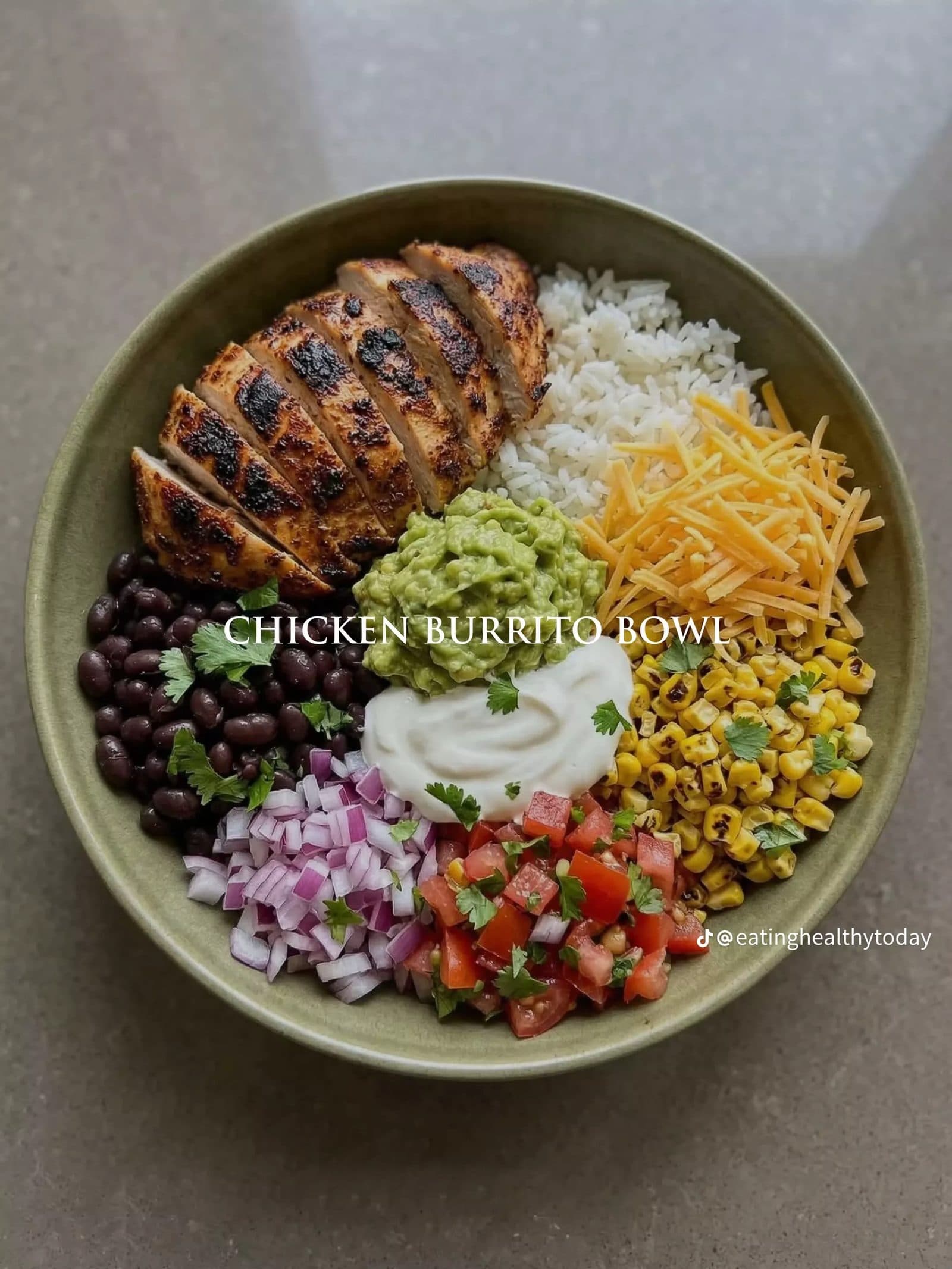
| Chicken burrito bowl | about $13.50 | about $3.50 | 3.9x |
| Poke bowl | about $16.50 | about $6.00 | 2.8x |
| Burger combo (burger, fries, drink) | about $14.00 | about $4.00 | 3.5x |
| Sushi set (10 to 12 pieces) | about $18.00 | about $7.00 | 2.6x |
| Salad-chain bowl | about $15.00 | about $4.50 | 3.3x |
| Coffee + pastry | about $9.50 | about $1.60 | 5.9x |
Two things jump out. First, the "healthy" orders carry some of the biggest markups; the salad chain is charging $15 for roughly $4.50 of produce, grain, and chicken, the same halo pricing I picked apart in is healthy food really more expensive. Second, the humble coffee-and-pastry run is quietly the worst ratio on the board, at nearly 6x.
The poke and sushi rows are the honest caveats: raw fish at retail is genuinely pricey, so the ratio compresses. Still nearly 3x, though.
Does cooking at home still win if my time is worth money?
Yes, if you batch, and I want to do this math out loud because "my time is worth more than that" is the standard objection.
Value your time at $20 an hour. Cooking one burrito bowl completely from scratch, solo, takes about 25 minutes with cleanup, which is $8.33 of time on top of $3.50 of ingredients. Total: $11.83 against $13.50. A win on paper, but honestly close to a wash once a tired Tuesday enters the picture.
Batching changes the equation entirely. Seventy-five minutes on Sunday produces five bowls: rice, seasoned chicken, beans, salsa, the works. That is 15 minutes per serving, or $5 of time, plus $3.50 of ingredients. Total: $8.50 per lunch against $13.50, every serving, all week. The habit-level version of that gap is the $2,100 vs $700 number from the top, and the batch version still wins after paying yourself for every minute of chopping.
And the restaurant side of the ledger has hidden multipliers I left out to be generous: tip adds 15 to 20 percent, delivery apps add fees plus inflated menu prices (often 25 to 40 percent all-in), and the drink upsell is nearly pure margin. The $14 lunch is frequently a $19 lunch by the time it reaches your desk.
How much does a takeout habit cost per month?
Multiply your honest weekly count by your honest average ticket, then by 4.3. For context, the average US household already spends close to $4,000 a year on food away from home, per the BLS Consumer Expenditure Survey, and USDA data shows more than half of American food dollars now go to food away from home. Three $14 lunches is about $180 a month. Add two $9.50 coffee runs a week and you are at $260. Add one $35 delivery dinner weekly (with fees and tip) and the habit clears $400 a month, or roughly $4,800 a year, from food you mostly eat at a desk or a couch.
Two habits deserve their own line items because they hide so well. The coffee run feels too small to count, but two $9.50 runs a week is $988 a year, which is why it earned its own full post. And the "I'll just order tonight" dinner feels like a one-off every single time it happens, which is precisely how it happens 50 times a year.
I am not going to pretend the answer is "never eat out." Restaurants are one of life's genuine pleasures, and a meal you are excited about is worth full price. The expensive part is the default: the meal you ordered out of momentum and ate without noticing. That distinction, occasions at full price and defaults at homemade prices, is the entire system.
Where do the homemade numbers come from?
A methodology note, because "about $3.50" deserves receipts. Each homemade figure prices every ingredient at typical mid-2026 US grocery prices, scaled to the portion actually used: the rice at 30 cents a serving, the chicken thigh at $1.60, the half-avocado at 60 cents, and so on, including the oil and spices everyone forgets. This per-serving copycat math is exactly what ApronUp, an iOS app that scans any restaurant meal or packaged food, computes when you scan your usual order or its grocery-store equivalent: it identifies the dish, builds the homemade copycat recipe, and returns the cost per serving next to what you paid, plus the monthly and annual savings at your actual frequency. Scanning a $13.50 burrito bowl and watching the app report "$10.00 saved per serving, about $1,560 a year at 3x a week" is a genuinely radicalizing experience.
If you want the low-effort starting lineup, the assembly meals are the easy wins, and I keep a running list in easy copycat recipes. Nobody's first project should be sushi.
The system: keep the restaurants, lose the defaults
- Count last week honestly. Bank app, ten minutes. Most people undercount by half.
- Sort each meal: occasion or default. Occasions stay. Defaults are the target.
- Copy your top two defaults. Whatever you order most is what you should learn first, and it is probably an assembly meal.
- Batch once a week, 75 minutes. Five lunches at about $8.50 all-in beats five at $14, and Tuesday-you makes zero decisions.
- Redirect the difference somewhere visible. $1,400 a year is a real number. Watching it accumulate is what makes the habit stick.
The math is not subtle. Three ingredients-only lunches a week is $1,400 a year, batching keeps the win even after paying yourself $20 an hour, and the restaurant keeps its rightful place as a treat instead of a tax. The only hard part is the Sunday timer, and that part costs 75 minutes.
Quick answers
- How much do you save cooking at home on average?
- For typical lunch and dinner orders, restaurant meals run 3 to 4 times the homemade ingredient cost. A $14 lunch is usually $3.50 to $5 in ingredients, so a 3-day-a-week habit swapped to homemade saves roughly $1,400 a year, and a daily habit saves well over $3,000.
- Does the math include the value of my time?
- Yes, and cooking still wins if you batch. Valuing time at $20 an hour, batch cooking five servings in 75 minutes adds about $5 of time per serving, putting homemade around $9.50 total against a $14 order. Cooking each meal individually from scratch is closer to a wash, which is why batching is the whole game.
- Which restaurant meals are easiest to copy at home?
- Assembly meals with no real technique: burrito bowls, grain and salad bowls, poke, overnight oats, and coffee drinks. You are paying the restaurant to combine 6 to 8 ingredients in a bowl, which is a skill you already have. Fried and smoked things are the hardest to match at home.