How to Make Medical School Actually Fun (Without Falling Behind)
Play is protective, not a distraction. Concrete ways to make med school more fun and stay motivated without sacrificing your grades.
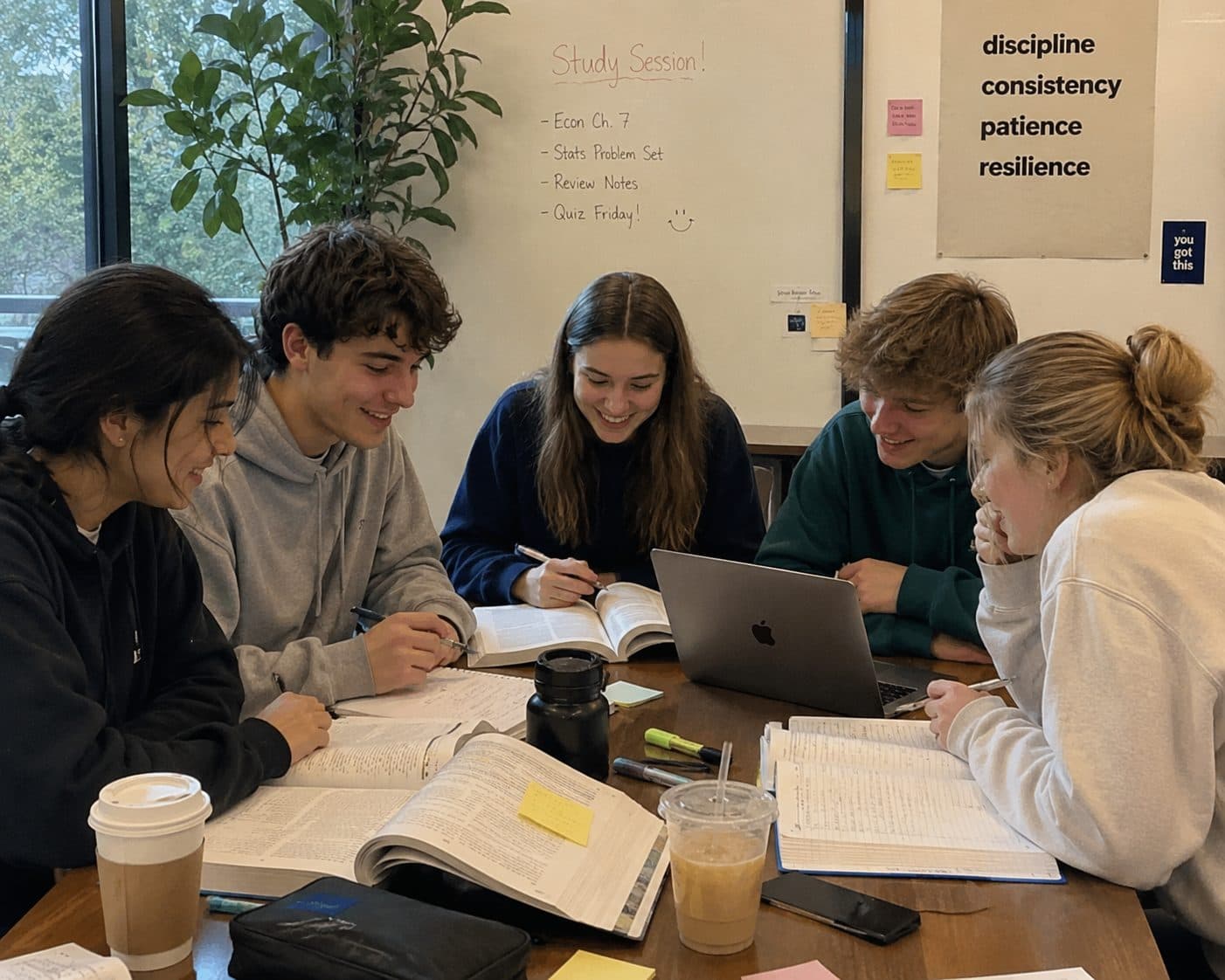
Medical school can be fun, and making it fun is one of the smarter things you can do for your grades, not a guilty distraction from them. Play, novelty, and connection are linked to better motivation and lower burnout, so a little joy in the schedule is protective. The trick is adding fun in ways that fit the cracks of your day instead of competing with your study blocks.
Here is the science behind why play helps, and a concrete list of ways to enjoy this thing without falling behind.
Is it actually okay to have fun in med school?
Yes, and the guilt around it is misplaced. There is a stubborn belief that every non-study hour is a betrayal of your future patients, and it quietly drives a lot of misery. The evidence points the other way.
Play and positive emotion broaden thinking and support learning, an idea backed by decades of research summarized by organizations like the American Psychological Association. Meanwhile, burnout is rampant: roughly half of medical students report burnout symptoms at some point, according to research tracked by the Association of American Medical Colleges. The relentless-grind approach is exactly what produces that number.
So protecting some fun is a performance strategy for a multi-year effort. The real choice is between a sustainable pace you can hold for years and a flameout, and enjoying yourself is what keeps the pace sustainable. We make the fuller case in our burnout guide, but the headline is simple: joy keeps you in the game.
Why does fun make studying easier?
Because motivation that comes from inside lasts longer than motivation from pressure. This is one of the most robust findings in motivation psychology: intrinsic motivation, the drive to do something because it is interesting or satisfying, produces more durable effort and better wellbeing than external pressure like fear of failing.
Three ingredients feed intrinsic motivation, and you can engineer all three:
| Ingredient | What it means | How to add it |
|---|---|---|
| Autonomy | Feeling you have some control | Choose your own study methods and order |
| Competence | Feeling yourself improve | Track small wins, use quick recall you can win |
| Relatedness | Feeling connected to others | Study with people, add friendly competition |
Notice that novelty also matters. Your brain pays more attention to new and slightly surprising things, which is why the same flashcards get boring and why switching format or adding a game element can re-engage a tired mind. Fun and focus work together more than people assume, because a re-engaged mind pays attention for longer.
How do I make studying itself more fun?
Stop trying to make studying feel like fun through willpower, and change the format so engagement comes for free. A few that reliably work:
Study with people
The single biggest upgrade for most students. Explaining a concept out loud, quizzing each other, and arguing about a mechanism is more engaging and sticks better than silent solo review. It also fixes the loneliness that makes long study days grim. Pick a small group that actually shows up.
Gamify low-stakes recall
Turn review into a game with points and stakes. Quiz-bowl style rounds, a friendly bet on who scores higher on a practice set, a streak you do not want to break. Gamification reliably boosts how often and how willingly people engage, which is exactly what a cumulative subject rewards. Keep it for the recall and habit layer, and keep the deep, effortful learning as its own serious thing.
Celebrate small wins out loud
Med school is a long stretch of delayed payoff, so manufacture the payoffs. Cross things off a visible list, note the concept that finally clicked, tell your group chat you cleared your deck. Feeling yourself improve is one of the core motivation ingredients, and small wins are how you keep that feeling topped up.
Protect a hobby that has nothing to do with medicine
The students who stay human keep at least one thing that is fully theirs: climbing, cooking, a band, a game, a sport. It protects your identity beyond the white coat and gives your brain the genuine reset that scrolling never delivers, which we get into in our piece on stopping the scroll.
Add friendly competition
A little rivalry is a cheat code for motivation and consistency. When your friends' scores are visible, showing up gets easier and more fun. The key is keeping the stakes low and the tone playful, so it energizes instead of stressing. This is where a shared daily challenge shines, and it is a natural fit for the dead minutes you would otherwise lose.
That is exactly the itch a quick daily game scratches. MedMini, an iOS app that gives med students four quick medical puzzles a day and ranks you against your friends and your school, turns a spare moment into a bit of friendly competition with your classmates. Four fresh puzzles drop every day, the same for everyone worldwide: name the diagnosis from a vignette, find four hidden groups among sixteen terms, build a medical word from its roots, or put a mechanism's steps in order. You share your result card, someone in the group chat gloats, and your medical school climbs a global leaderboard shown as a percentile. It slots into the gaps between the serious work and gives the friendly-competition engine somewhere to run. For more in this vein, see our roundup of games for medical students.
Will having fun make me fall behind?
Only if you let fun eat your study blocks, which is a scheduling problem you can solve. The goal is to add fun in the cracks and in your protected downtime, so it recharges you without stealing the focused hours.
A simple rule of thumb:
- Fun in the cracks. The three-minute gaps, the coffee line, the walk between buildings. Quick, finite, restorative.
- Fun as reward. After a focused block, a real break that you actually enjoy. This reinforces the habit of finishing.
- Fun as connection. Study with people so the work itself carries some joy.
- Fun that is fully off. One protected hobby or evening a week that has zero to do with medicine.
Kept in those lanes, fun supports your grades instead of threatening them. The students who burn out are usually the ones who deleted all four, ground themselves down, and then lost focus anyway. For the bigger picture on why this program is demanding in the first place, our honest take on whether med school is hard pairs well with this.
Your make-it-fun starter kit
Pick two of these this week:
- Recruit one study buddy and do a single session together.
- Turn one review set into a game with points or a friendly bet.
- Start a visible small-wins list and actually mark it up.
- Protect one hobby hour with nothing medical about it.
- Fill one daily gap with a quick shared game instead of the feed.
Fun is protective, motivation loves autonomy and connection, and a little friendly competition keeps you showing up. Add joy in the cracks, guard your focused blocks, and med school stops feeling like pure endurance and starts feeling like something you can actually enjoy getting good at.
Quick answers
- Is it bad to have fun in medical school?
- No, and treating fun as forbidden usually backfires. Play, novelty, and social connection are linked to better motivation and lower burnout, so protecting some fun actually supports your performance over a long program. The students who last tend to be the ones who kept some joy in the schedule, not the ones who grinded every waking hour.
- How do I stay motivated in med school?
- Lean on intrinsic motivators, which research links to more durable effort than pressure or fear. Practically, that means autonomy over how you study, a sense of getting better at something, and connection with people doing it alongside you. Small wins, friendly competition, and studying with friends all feed that engine.
- Does gamifying learning actually work?
- For engagement and consistency, yes. Adding game elements like points, streaks, and friendly competition tends to increase how often and how willingly people show up, which matters a lot for a cumulative subject. It works best for the low-stakes recall and habit side of learning rather than as a replacement for deep study.