Surviving Clinical Rotations: A Field Guide to Third Year
How to survive clerkships: be useful on a team, manage the exhaustion and evaluations, use the fragmented downtime well, and stay human.
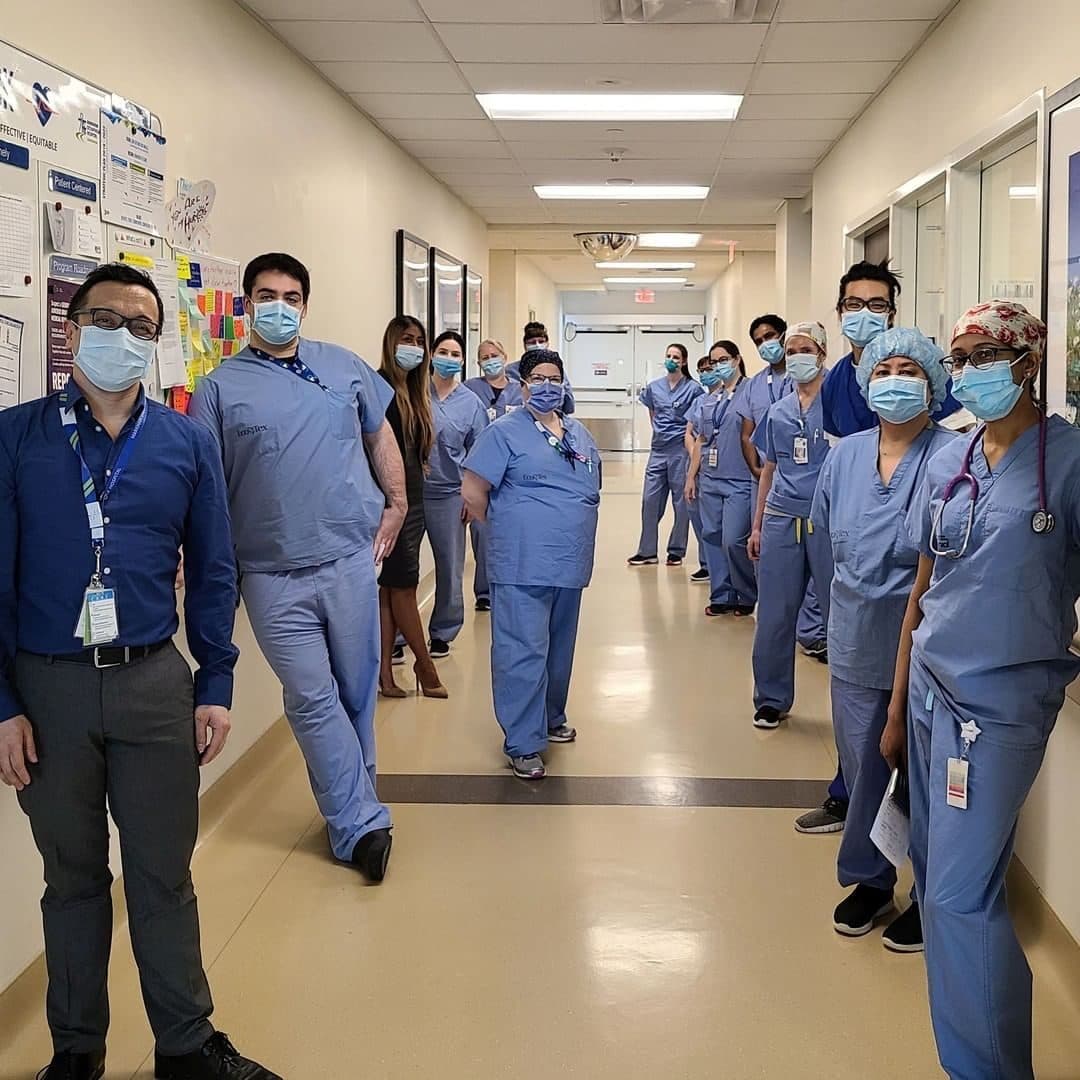
Surviving clinical rotations comes down to four things: be genuinely useful to your team, manage exhaustion and evaluations without losing yourself to them, use the weird fragmented downtime well, and stay a human being. Third year is the jump from books to wards, and the skills that carried you through preclinical years only half apply. The students who thrive are the ones who make the team's day easier and protect their own sanity while doing it.
This is a known rough patch. Clerkship burnout is common, and wellbeing dips measurably in third year across the research. Here is the field guide.
How do I be useful on a clinical team?
Be reliable, prepared, and easy to work with, because that is what "useful" means on a ward. Nobody expects you to know everything as a student. They expect you to know your patients cold, to show up on time, and to take work off the team's plate without being asked twice.
- Know your patients better than anyone. Their overnight events, their labs, their plan. This is the one area where a student can genuinely outperform.
- Anticipate. Have the vitals ready before rounds, the form half-filled, the number for the consult looked up.
- Take initiative on scut and never make your resident look bad in front of the attending.
- Ask smart questions at smart times. Read the room first, and skip the ones meant to show off.
Being useful this way is how you stand out without gunning, and it is what evaluations actually reward under all the vague language. For more on being useful without becoming that classmate, our best apps for medical students piece covers the reference and calculator tools that make you quick on rounds.
How do I manage the exhaustion and the evaluations?
Accept that both are structural and pace yourself accordingly. The hours are long, the feedback can feel arbitrary, and one subjective evaluation can swing a grade in ways that feel unfair because they are. You cannot control every evaluator, so control your inputs: preparation, attitude, and reliability.
The exhaustion is not a character flaw. Roughly half of medical students report burnout in survey research summarized by the AAMC, and third year is a documented low point. In a large JAMA meta-analysis, depression prevalence among medical students ran around 27%, and roughly 11% reported suicidal ideation. Treat your own maintenance as part of the job description.
- Sleep when the schedule allows, because a rested version of you is a better team member and a better test-taker.
- Do not internalize every eval. Look for the signal, drop the noise, and move to the next rotation.
- Front-load your effort on the rotations tied to your career plans, and stay solid everywhere else.
If the mental-health side is getting heavy, medical student mental health is worth a read and has a concrete plan.
How do I study during clerkships?
Study in small, frequent doses, because ward life shreds the long study blocks that worked in preclinical years. Your day is a series of interruptions, so your studying has to fit into them. The material also sticks better when it is tied to a patient you actually saw, so let the clinic drive your review.
| Preclinical habit | Clerkship reality | What to do instead |
|---|---|---|
| Long uninterrupted study blocks | Fragmented, unpredictable gaps | A few shelf questions at a time, whenever a gap opens |
| Learn from notes and lectures | Learn from patients on the ward | Review the conditions you saw that day, that night |
| Study on your own schedule | Schedule set by the team | Bank small wins in downtime you do not control |
Here is the pattern that works: a handful of question-bank questions daily, a quick read on whatever you saw, and constant use of the little gaps. Question, error, review, repeat, in miniature, all day long.
How do I use the fragmented downtime?
Fill the weird gaps with something small and finite, because ward downtime comes in unpredictable two to ten minute chunks that a qbank cannot fit into cleanly. Third year is full of waiting: waiting for rounds to start, gaps in pre-rounding, standing around while the team regroups. These slivers add up, and how you spend them shapes your day.
The instinct is to open your phone and scroll, which restores nothing and leaves you flatter for the next task. A better move is something that finishes on its own in a minute or two and gives your brain a genuine reset. Sometimes that is a couple of shelf questions. Sometimes your brain is too fried for that and it wants something light with a clean ending. For more on why the short finite thing beats the infinite scroll, we broke it down in productive things to do on short breaks.
That fragmented-downtime slot is exactly where MedMini fits. MedMini, an iOS app that gives med students four quick medical puzzles a day and ranks you against your friends and your school, runs in 60 to 90 seconds a puzzle, which slots into the awkward gaps of ward life far better than opening a question bank you cannot finish. It also keeps a thread of fun alive with your friends who are scattered across different rotation sites, since everyone plays the same four puzzles that day and the leaderboard tells you who won. When your whole class is split across hospitals, a shared daily game is one of the few things that still connects you.
How do I stay human in third year?
Hold on to your people and one thing that is purely fun, and defend both like they matter, because they do. Third year scatters your class across sites and shifts, so connection takes deliberate effort in a way it did not before.
Your third-year survival kit:
- Know your patients cold and be the easiest student on the team to work with.
- Sleep whenever the schedule gives you the chance.
- Study in small daily doses tied to what you actually saw.
- Use the fragmented gaps on purpose instead of drifting into the scroll.
- Keep one thread of fun and friendship running across all your sites.
Third year is a marathon of short sprints. Be useful, protect your head, use the gaps well, and keep your people close, and you will come out the other side as a better clinician and still yourself.
Quick answers
- How do I stand out on rotations without gunning?
- Be reliably useful and easy to work with. Know your patients cold, anticipate what the team needs, take initiative on scut without being asked, and never make a resident look bad. Standing out on a team is about being the person who makes everyone's day smoother, which reads far better than one-upping your classmates.
- How do I study during clerkships?
- In small, frequent doses, because long study blocks rarely survive ward life. Do a handful of shelf questions daily, review the conditions you actually saw that day since they stick better, and use the fragmented gaps between tasks. The old block-studying approach from preclinical years mostly does not fit a clinical schedule.
- How do I stay sane in third year?
- Protect sleep where you can, keep a thread of contact with friends across your different sites, and hold on to one thing that is purely fun. Clerkship burnout is common and third year is a known low point for wellbeing, so treating your mental health as part of the job, rather than a luxury, is the move.