Games for Medical Students: Compete With Your Class
Fun games for medical students, from party and trivia nights to board games and daily app games you can turn into a friendly class-wide competition.
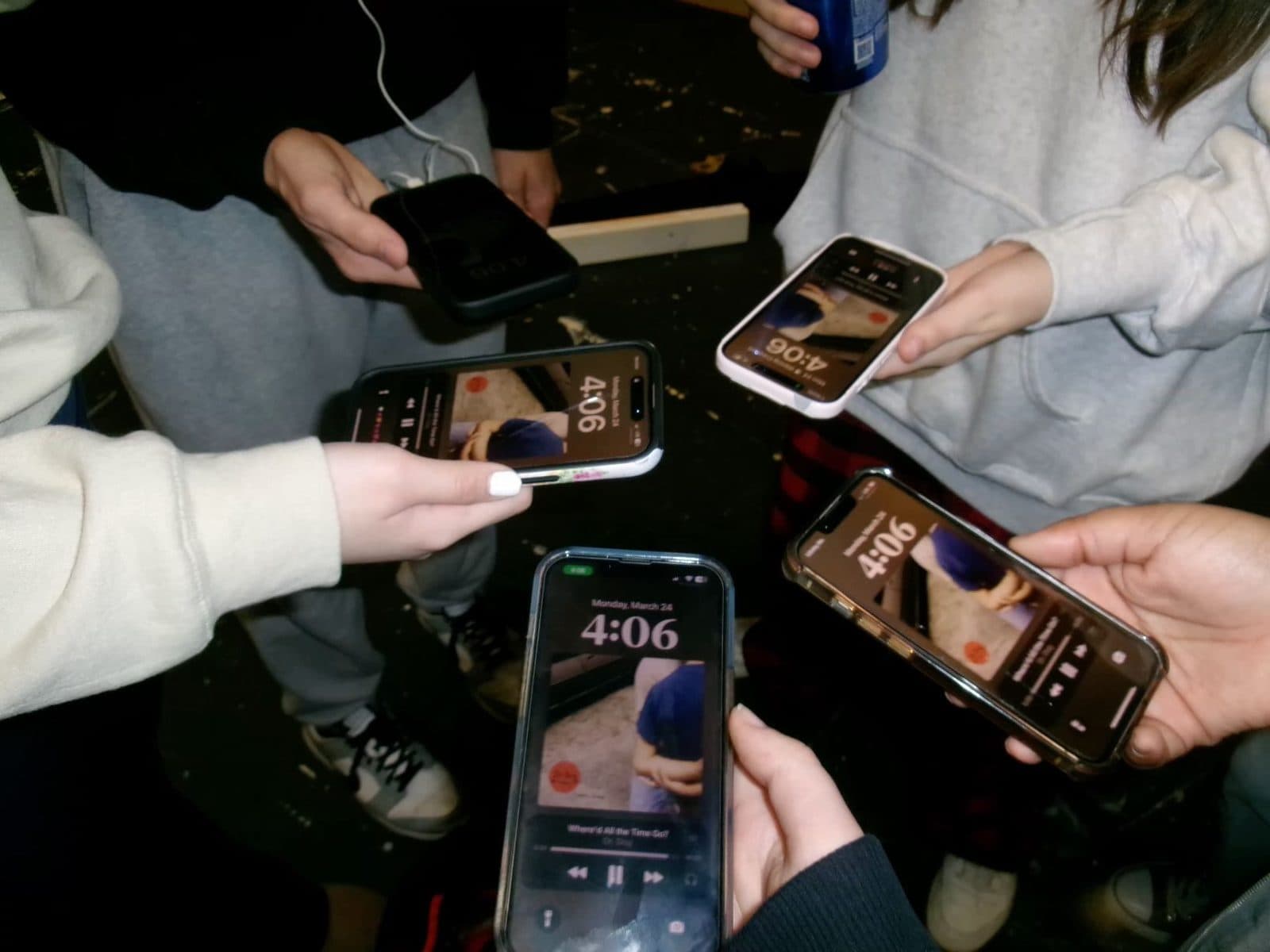
The most fun games for medical students are the social ones: a medical Jeopardy or quiz-bowl night, a med-themed board or card game, a trivia round at a hangout, and daily puzzle apps you can all play and compare. The common thread is that they are quick, they are shared, and nobody needs to study to take part. Below is a roundup by format, with an honest disclosure about one daily game we made.
Med school is intense enough that "fun with your classmates" often gets crowded out, and that has a cost. Roughly half of medical students report burnout in survey research summarized by the AAMC, and depression prevalence among medical students sits around 27% in a large meta-analysis published in JAMA. Games are a cheat code against that, because they give your group a reason to gather and a low-stakes way to be competitive with each other. Here is what to play.
What games can medical students play together?
The best games fall into four formats, and you can mix them across a semester so nothing gets stale.
| Format | Examples | Best for |
|---|---|---|
| Party and trivia nights | Medical Jeopardy, printable trivia decks, category trivia | A big group, one evening, lots of laughing |
| Board and card games | Medicos, med party card decks, cooperative guessing games | Small groups, game night, a break from screens |
| Quiz-bowl competition | Quiz-bowl style team rounds, challenge-bowl formats | Organized clubs, interest-group events, rivalry |
| Daily app games | MedMini and other medical puzzle apps | Spare minutes, cross-campus friend competition |
None of these is a study session in disguise. They are the fun that happens to have a medical flavor, which is exactly why your class will actually show up for them.
How do you host a medical trivia or Jeopardy night?
Build a Jeopardy board with five categories, six clues each, and let teams of three or four buzz in. Jeopardy nights are a staple at medical and health-professions schools precisely because they let people connect and compete in one low-effort evening. You can write your own board in a spreadsheet in an hour, borrow categories from a printable medical trivia deck, or pull questions from a public trivia bank.
Keep the categories broad so first-years and clinical students both have a shot: anatomy, "name that drug," famous cases, and one deliberately silly round. The silly round is what makes it a party. If you want more ideas for lightening the mood as a group, we collected a bunch in how to make med school more fun.
Are there board and card games with a medical twist?
Yes, and they are having a moment. Medicos is a medical trivia board game built for students and professionals that turns terminology, anatomy, and diagnosis concepts into a competition. There are also med party card decks designed specifically for healthcare students, including cooperative games where players guess medical words from a single hint. These are perfect for a small group on a slow weeknight when nobody wants another screen.
The appeal is tactile and social. You are around a table, you are ribbing each other over a missed answer, and for an hour med school feels like the fun secret club it occasionally is.
What is quiz-bowl style competition?
Quiz bowl is trivia with teams and buzzers, and organized medical versions exist at the national level. The National Medical Challenge Bowl, for example, runs quiz-bowl rounds where teams answer questions across physical diagnosis, microbiology, cardiology, emergency medicine, and more. You do not need a national stage to run one. Any interest group can host a challenge-bowl night between years or between schools, and the rivalry writes itself.
This format leans a little closer to knowledge, so it doubles as painless review. The competition is the point, and the fact that you remember something afterward is a bonus.
Are there medical versions of Wordle and Connections?
Yes, several, and this is where the daily-app format shines. Medical Wordle games have you guess a diagnosis or a five-letter medical term in six tries, and medical Connections variants ask you to sort a grid of terms into hidden groups. They are tiny, they reset every day, and they are built to be shared, which makes them ideal for a group chat rivalry that spans different campuses and rotation sites.
Here is the disclosure: the next one is ours, and it is coming soon to the App Store. Studying already dominates the day, and it converges hard: in one single-program study, roughly 94% of first-year students used Anki, per research on PubMed Central. We built the fun counterweight to all that grinding, the daily-puzzle habit that makes people text each other Wordle scores, aimed at medical brains and wired for competition from the start.
MedMini, an iOS app that gives med students four quick medical puzzles a day and ranks you against your friends and your school, drops the same four puzzles for everyone worldwide at midnight. There is Dx Wordle, where you name the diagnosis in six guesses from a short vignette. There is MedConnections, sixteen terms hiding four groups. There is Root Builder, where you assemble a term from roots, prefixes, and suffixes. And there is Pathway Sequencer, where you put a mechanism's steps in order. You play in about two minutes, you get a shareable result card, and three leaderboards tell you where you stand: your friends by share code, your medical school, and the global field by percentile.
The reason a daily app beats a one-off game night for keeping a rivalry alive is friction. A trivia night takes planning; a 90-second puzzle takes a spare minute in the hospital cafeteria, and it is the same puzzle your friend two hospitals over is doing. It is also a much better use of that spare minute than the feed, a point we make in full over in what to do on a 5-minute break.
How do you make it competitive without making it a chore?
Turn it into a scoreboard and keep the format short. Competition motivates when the stakes are friendly and the time cost is tiny. The moment a "game" starts feeling like assigned studying, people quietly stop.
A simple system for a class-wide rivalry:
- Pick one shared thing everyone can do daily in under two minutes.
- Make a leaderboard, whether that is a group chat, a spreadsheet, or an app that ranks you automatically.
- Set light stakes. Loser buys the coffee on Friday. Winner picks the study playlist.
- Rotate the party games monthly so the group still gathers in person.
- Keep it optional. The people who want in will pull the rest in on their own.
Games are how a class turns into friends, and friends are the single biggest thing that gets people through med school in one piece. Play the long ones on game night, play the short ones every day, and let the scoreboard do the rest.
Quick answers
- What games can medical students play together?
- Plenty. Host a medical Jeopardy or quiz-bowl night, play a medically themed board or card game like Medicos or a med party deck, run a trivia round at a get-together, or all play the same daily puzzle app and compare scores. The best ones are social and quick so nobody has to study to join in.
- Are there medical versions of Wordle and Connections?
- Yes. Several exist, including medical Wordle games where you guess a diagnosis or term in six tries. MedMini bundles a few into one daily app: Dx Wordle asks you to name a diagnosis from a short vignette, and MedConnections gives you sixteen terms hiding four groups. New puzzles drop every day and you can compare scores with friends.
- How do you make studying competitive?
- Turn it into a scoreboard. Add friends, agree on a shared thing everyone plays or answers, and rank by who wins the day. A leaderboard converts a solo grind into a group activity, and friendly stakes keep people showing up. The trick is keeping the format short enough that competing feels fun instead of like extra work.