Why Voice Messages Feel More Personal Than Texts (The Science of Hearing Someone)
Voice carries tone, pace, pauses, and laughter that text strips out. The research on empathic accuracy, and how couples can use voice memos well.
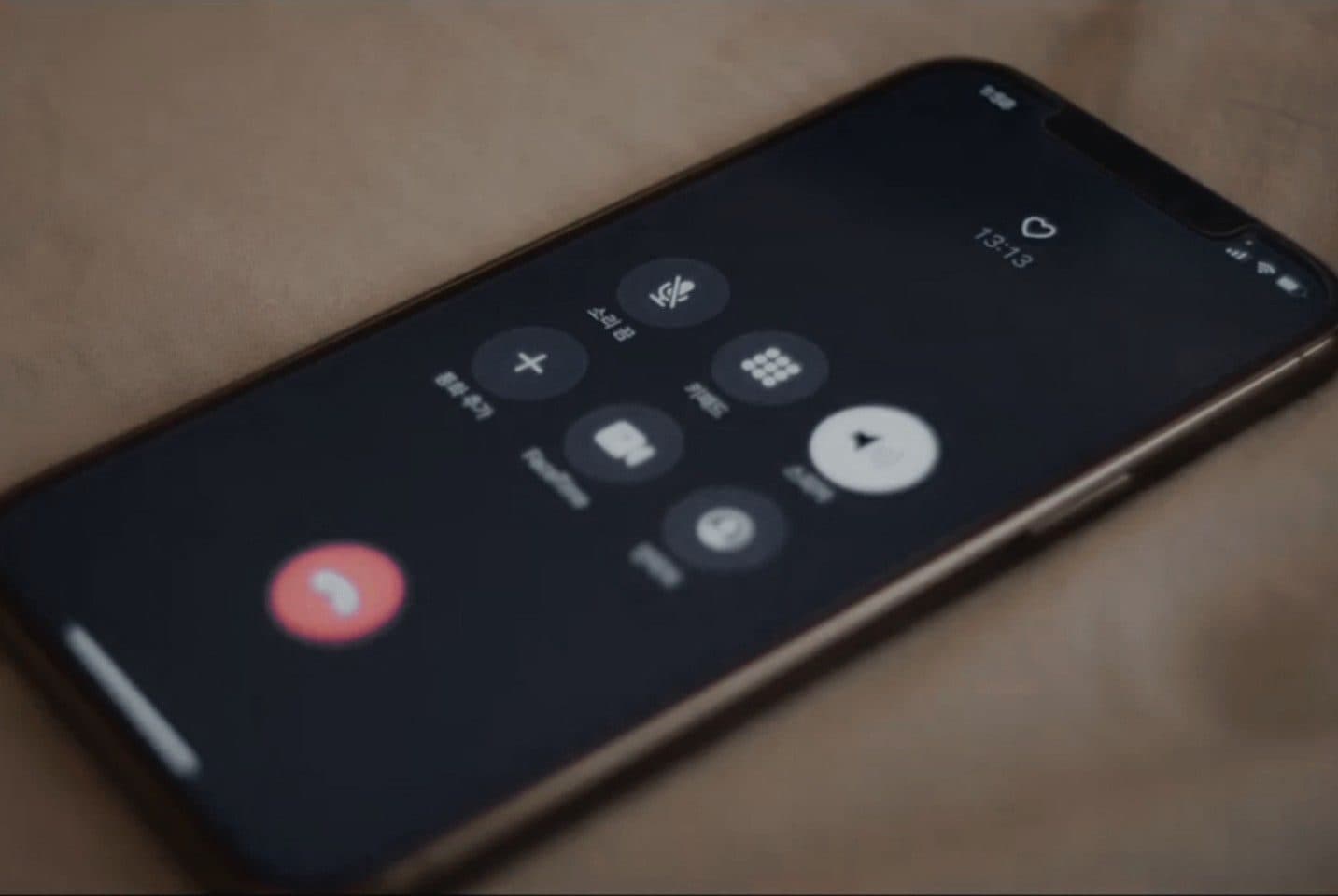
Voice messages feel more personal than texts because your voice carries a second channel of information that text deletes entirely: tone, pace, pauses, breath, emphasis, and laughter. Researchers call these paralinguistic cues, and they're where most of the emotional meaning lives. A text tells your partner what you said. A voice memo tells them how you felt saying it.
That's the short answer. The science underneath it is genuinely fun, and it has practical consequences for how couples should communicate.
What does your voice carry that text can't?
A remarkable amount. The same four words, "I'm fine, go ahead," can be warm permission or a loaded warning, and every English speaker can tell the difference in audio within a second. In text, they're identical.
The strongest evidence comes from psychologist Michael Kraus, whose 2017 research in American Psychologist (apa.org) ran experiments on empathic accuracy, meaning how correctly you read another person's emotions. Across five experiments, voice-only communication produced more accurate emotion reading than video with audio, and far more than silent video. Stripping away the face and leaving only the voice made people better at understanding each other.
That result surprises people, and it shouldn't. Vocal cues (a caught breath, a slowed sentence, the smile you can hear) are hard to fake and hard to miss. Your ear has been training on them your entire life.
A quick word on the statistic you may have heard, that communication is "93% nonverbal." That's a misreading of Albert Mehrabian's 1960s experiments, which only looked at single emotionally ambiguous words and were never meant as a general law of communication. You don't need the inflated number anyway. The careful modern research above makes the same practical point: a large share of emotional meaning rides on how something is said, and text deletes that channel entirely.
Related work by Juliana Schroeder and Nicholas Epley, published in Psychological Science (journals.sagepub.com), found that hearing someone's voice made evaluators judge the speaker as more thoughtful, competent, and human than reading the identical words as text. Same content, different medium, different person perceived. Your voice literally humanizes you.
Why do texts get misread so often?
Because a text is an ambiguity machine, and ambiguity gets filled in by the reader's current mood. A classic study by Kruger, Epley, and colleagues in the Journal of Personality and Social Psychology (apa.org) found that senders expected their tone (serious vs sarcastic) to be understood nearly 80% of the time, while readers actually got it right only about 56% of the time, barely better than a coin flip. Neither side realizes it's happening, which is the truly dangerous part.
Now put that inside a relationship. Your partner sends "ok." You, slightly anxious after this morning's tense moment, read it as cold. They meant it as ok. Twenty minutes of spiraling later, you're in a fight neither of you started. Missing prosody plus a nervous system with a grudge equals a misread, and couples run this experiment dozens of times a day.
Punctuation and emoji are our folk attempts to patch the missing channel, and they help less than we think. A period after "fine" reads as fury to one person and grammar to another, and the same heart emoji means everything from passion to politeness. Prosody has no reliable substitute in type. Thirty seconds of audio ends the guessing game completely, which is why the single highest-leverage habit in this post is switching channels the moment a thread starts to feel loaded.
When is texting actually better than voice?
Logistics, and genuinely so. Text is scannable, searchable, silent, and instant to consume. Nobody wants a 90-second voice memo that turns out to contain a grocery list.
| Situation | Better channel | Why |
|---|---|---|
| "Pick up milk," addresses, times, links | Text | Scannable and searchable later |
| How your day actually felt | Voice | Tone carries the feeling |
| Anything emotionally loaded | Voice | Prosody prevents the misread spiral |
| Quick hit of presence at work | Text | Zero cost to consume in a meeting |
| Apologies and repair | Voice | Warmth is audible and hard to fake |
| Across time zones | Voice memo | Call-level intimacy, async delivery |
The rule of thumb: information goes in text, emotion goes in voice. Most couples have this exactly backwards, texting their feelings all day and saving their voices for "I'm outside."
How do couples actually build a voice-memo habit?
A few habits that survive real life:
- Trade one real memo a day. A minute or two about the moment of the day that stuck, and skip the weather report.
- Send it without re-recording. The stumbles and pauses are the intimacy. A polished take is a podcast.
- Answer questions instead of narrating. "What's a fear you had about us early on that turned out wrong?" beats "here's my day" every time. There are 50 good ones in questions to ask your partner.
- Listen with your full attention once. In your headphones, on the walk, however, but resist playing it at 2x while doing dishes.
There's one structural problem the habit runs into: whoever answers a question second has heard the first answer, and their reply quietly bends toward it. And precious recordings tend to die in a chat scroll between memes and grocery lists.
u+me was designed around both problems. u+me, an iOS app where you and your partner answer one question a day in your own voices and neither can listen until both have spoken, is built on exactly the science above: your actual voices, sealed until you've both recorded, then opened at once so each of you gets the other's unedited first take. The answered questions build a private archive of moments ("Your voices, kept forever"), and once your partner has listened, the recording is deleted from the servers, leaving your voices on your two phones alone. It matters most for couples living apart, which is why it pairs so naturally with the systems in how to feel closer in a long distance relationship. u+me is coming soon to the App Store.
Try this for one week
- Pick a channel rule together: logistics in text, feelings in voice.
- Trade one 1-to-2 minute voice memo a day, first take only.
- When a text thread starts feeling tense, stop typing and send 30 seconds of voice instead.
- On day seven, compare notes on which fights didn't happen.
The medium is doing more work in your relationship than you think. Give your voice the jobs it's built for.
Quick answers
- Why do couples fight more over text?
- Text strips out prosody (tone, pace, emphasis), so the reader has to guess the emotional intent, and people guess badly. Research by Kruger and Epley found readers correctly judged the tone of messages only slightly better than chance while senders assumed they'd be understood nearly 80% of the time. Anxiety fills the gap, and a neutral 'fine' reads as cold.
- Are voice messages awkward at first?
- For most people, yes, for about a week. Hearing your own voice feels strange and the first few recordings feel performative. It fades with repetition, and the awkwardness is worth pushing through because the listener experiences warmth you can't feel while recording.
- How long should a voice message be?
- For everyday couple messages, 30 seconds to 2 minutes is the sweet spot: long enough to carry something real, short enough to respect their time. Save the 10-minute monologues for when you'd otherwise have written a long letter, and never use voice for time-sensitive logistics.